The demand for environmental skills in councils is growing
When you think about working in local government, sustainability might not be the first thing that comes to mind. However, across Australia, councils are at the forefront of environmental action – working to reduce emissions, protect natural ecosystems, and help communities adapt to climate change.
Whether it’s managing waste and recycling, planning greener cities, restoring bushland, or building climate resilience, councils play a vital role in shaping a sustainable future. And that means there are more career opportunities than ever before for people who want to make a real impact in this space.

What kind of work do councils do in environment and sustainability?
Councils are responsible for a wide range of environmental services and initiatives that support both local communities and broader climate goals. These include:
- Managing bushland, waterways, and open spaces
- Supporting biodiversity, conservation, and native vegetation
- Planning sustainable infrastructure and transport
- Delivering community education around waste, energy, and water use
- Developing and implementing climate adaptation and emission reduction strategies
- Promoting a circular economy through local recycling and waste programs
Many councils have dedicated environment or sustainability teams, and this area is one of the fastest growing across the sector.
Roles you’ll find in this space
There’s no one path into this field, it covers a wide range of roles and skillsets, from hands-on outdoor work to strategic planning and community engagement.
Some of the current and emerging roles include:
Environmental or Natural Resource Officers
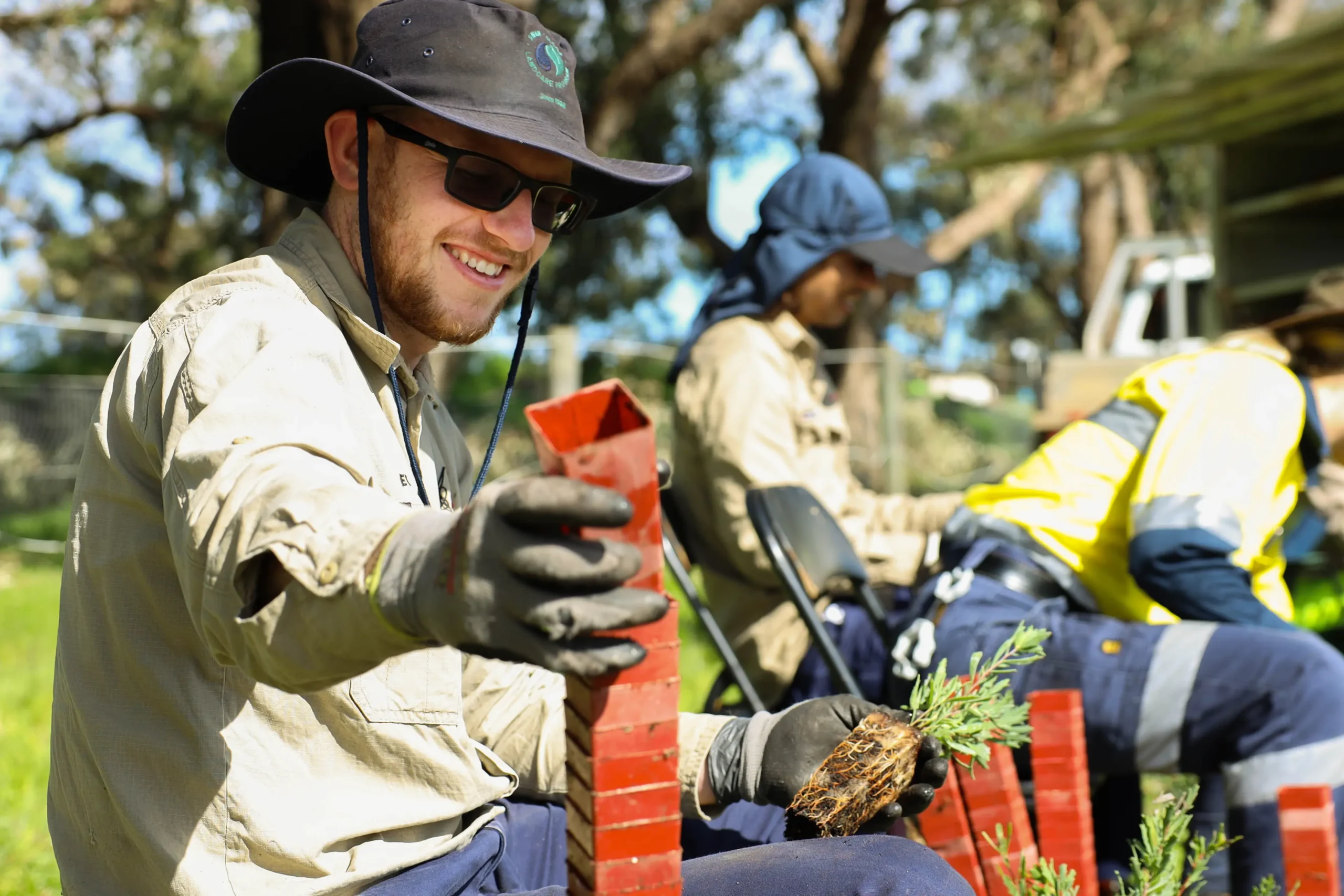
Oversee the health of local ecosystems, manage bushland and waterways, control invasive species, and develop conservation plans.
Sustainability Officers or Coordinators
Drive council-wide sustainability initiatives, such as net zero targets, energy efficiency, sustainable procurement, and waste reduction programs.
Climate Change Advisors or Project Officers
Focus on emission reduction and climate adaptation, working across departments to prepare communities for the impacts of a changing climate.
Waste and Recycling Coordinators
Manage day-to-day waste services, develop waste minimisation strategies, and lead community recycling and education programs.
Environmental Health Officers
Ensure that local environments support public health by monitoring things like water quality, pollution, food safety, and pest control.
Other roles include Biodiversity Officers, Urban Greening Coordinators, Arborists, Catchment Managers, Energy Advisors, and Stormwater Engineers. Sustainability is also becoming embedded across traditional roles in planning, infrastructure, and asset management – so even if your title doesn’t include “environment,” your work can still make a difference.
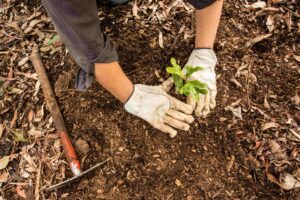
A growing and future-focused field
As councils commit to climate action, the demand for skilled professionals in this area is only increasing. Many councils have set ambitious goals, including net-zero emissions by 2030, and are investing in the people and programs needed to get there.
That means greater opportunity for candidates who want to combine professional growth with purpose-driven work. Councils are also well-placed to support emerging areas like:
- Climate resilience and disaster preparedness
- Renewable energy and fleet electrification
- Urban cooling and tree canopy planning
- Circular economy design and implementation
- Carbon accounting and environmental reporting
This is a space where you can build a long-term, meaningful career – and see the impact of your work up close, in the community around you.
Pathways into the profession
Some roles require tertiary qualifications (such as environmental science, sustainability, ecology, or planning), but councils also offer apprenticeships, cadetships, and graduate programs that provide on-the-job experience and training.
Vocational pathways are available too and many councils offer professional development support for employees looking to grow their skills. What’s most important is a passion for the environment, a willingness to learn, and a desire to contribute to your community.
Check out our current roles in environment and sustainability.
Sources: