Work experience in local government
Figuring out your future career can feel overwhelming – especially when you’re not sure where to start. That’s where work experience comes in. Whether you’re in high school or studying at TAFE or university, a short placement can give you practical insight into different roles, help you build confidence, and develop the kinds of skills employers look for.
When you think of your local council, you might picture roads being repaired, bins collected, or the local library open and welcoming the community – all vital public services. But did you know that councils do so much more? From planning and environmental protection, to youth programs and business support, local government offers a huge variety of services and an equally wide range of careers to match.
Councils across Australia offer work experience opportunities in areas such as engineering, parks and gardens, planning, libraries, IT, events, customer service and more. These unpaid, short-term placements are designed to help students learn about the world of work and discover what a local government career might look like.
What is work experience?
Work experience is a short-term, unpaid placement that lets you observe and participate in real workplace activities. It’s usually arranged through your school or training provider and is often part of your curriculum, especially if you’re doing a VET (Vocational Education and Training) course.
The goal is to help you:
- Explore careers you’re interested in
- Build practical skills like teamwork, communication, and time management
- Learn what it’s like to work in a professional environment
- Make more informed decisions about your next steps
Work experience placements in local government usually last from a few days to two weeks and are supported by your school. Councils make sure students are properly supervised, insured, and placed in roles that are safe and appropriate for their age and interests.
Why do work experience with a council?
Local councils are some of the most diverse workplaces in Australia. With more than 500 councils across the country and over 190,000 staff, there’s a huge range of roles and career pathways to explore.
Doing work experience with your local council is a great way to see how councils contribute to the community and to discover job options you might not have considered. Depending on the council and your interests, you could find yourself:
- Shadowing a town planner or civil engineer
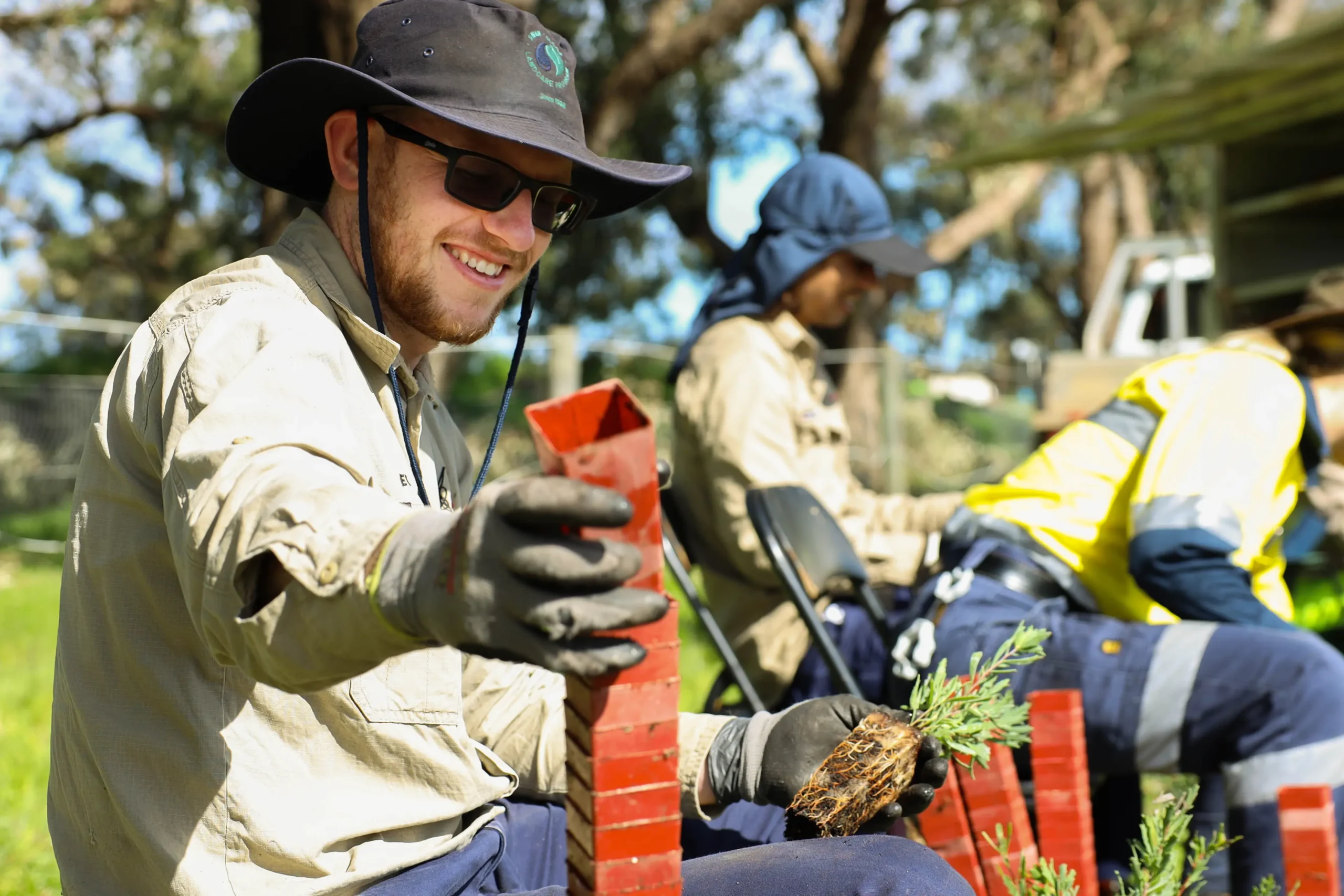
- Helping the parks team with landscaping or maintenance
- Working with environmental officers in the field
- Supporting community events or local libraries
- Sitting in on team meetings in HR, IT, or finance
It’s also a chance to build your CV and get to know people working in the sector – which could come in handy when you’re applying for jobs or apprenticeships down the track.
Real stories, real impact
Many people who now work in local government got their start through work experience.
Liam Wood, now a Design Engineer at Mildura Rural City Council, began his journey with a short work experience placement. After studying engineering at Swinburne, he wanted to see what the job was really like.
A family friend working at council offered him a one-month placement, and within a week, he was on-site, shadowing different teams, learning the ropes, and gaining confidence. That month led to six, and eventually a full-time role. Today, Liam works on designing roads, footpaths and drainage, as well as using drone surveying to support projects across the region.
Liam says work experience helped him realise he was on the right path. His advice? “You can’t really go wrong. You get to see first-hand what the job’s actually like. There’s always opportunities available.”
What about school-based apprenticeships and traineeships?
While standard work experience is unpaid, school-based apprenticeships and traineeships (SBATs) are a formal training arrangement where students in Year 11 or 12 work part-time with an employer while completing their senior schooling.
In local government, SBATs are available in areas like business administration, horticulture, IT and more. Students are employed part-time and gain a nationally recognised qualification alongside their HSC or equivalent. SBATs are a valuable early pathway into the workplace, combining on-the-job learning with study and real-world support.
Like work experience, these programs are designed to give students a head start and a clearer sense of their strengths and interests.
What to expect during your placement
Every council runs their work experience program a little differently, but here’s what you can generally expect:
- A short placement, often one or two weeks, or part-time over a term
- A safe and supervised environment, with staff who are there to support your learning
- A focus on observation and learning – you might help out with small tasks, but the goal is to learn, not to do a job
- A wide range of placement areas, from outdoor and hands-on roles to admin and office-based work
- Induction and training, including safety briefings and council expectations
You’ll usually need to go through your school’s careers advisor or VET coordinator, and your placement must be approved by your school. Councils may ask for an application form and insurance documentation before confirming a placement.
Places can be limited, so it’s a good idea to apply early and be flexible with your timing and placement preferences.
A first step towards a rewarding career
Unpaid work experience is one of the most valuable things you can do to prepare for life after school. Even a short placement can build your skills, help you discover new interests and open doors to future jobs or study.
For councils, it’s a chance to meet potential future employees and support young people in their community. And for you, it might just be the start of something big.
Interested? Speak to your school or visit your local council’s website to see what’s available.
Sources:
- NSW Department of Education – Workplace Learning: https://education.nsw.gov.au/teaching-and-learning/curriculum/career-learning-and-vet/workplace-learning
- NSW Government – School-based Apprenticeships and Traineeships: https://www.nsw.gov.au/education-and-training/nesa/curriculum/vet/school-based-apprenticeships-and-traineeships